

The Foundation of Wellness-Centered Design: More Than Just Aesthetic
There’s a quiet shift taking place in the world of design—a movement away from surface beauty and toward spaces that feel good to be in.
Wellness-centered design is not just a style; it’s a philosophy. One that honours the human experience and recognises the deep impact our environments have on our state of mind, our energy, and our connection to the world around us.
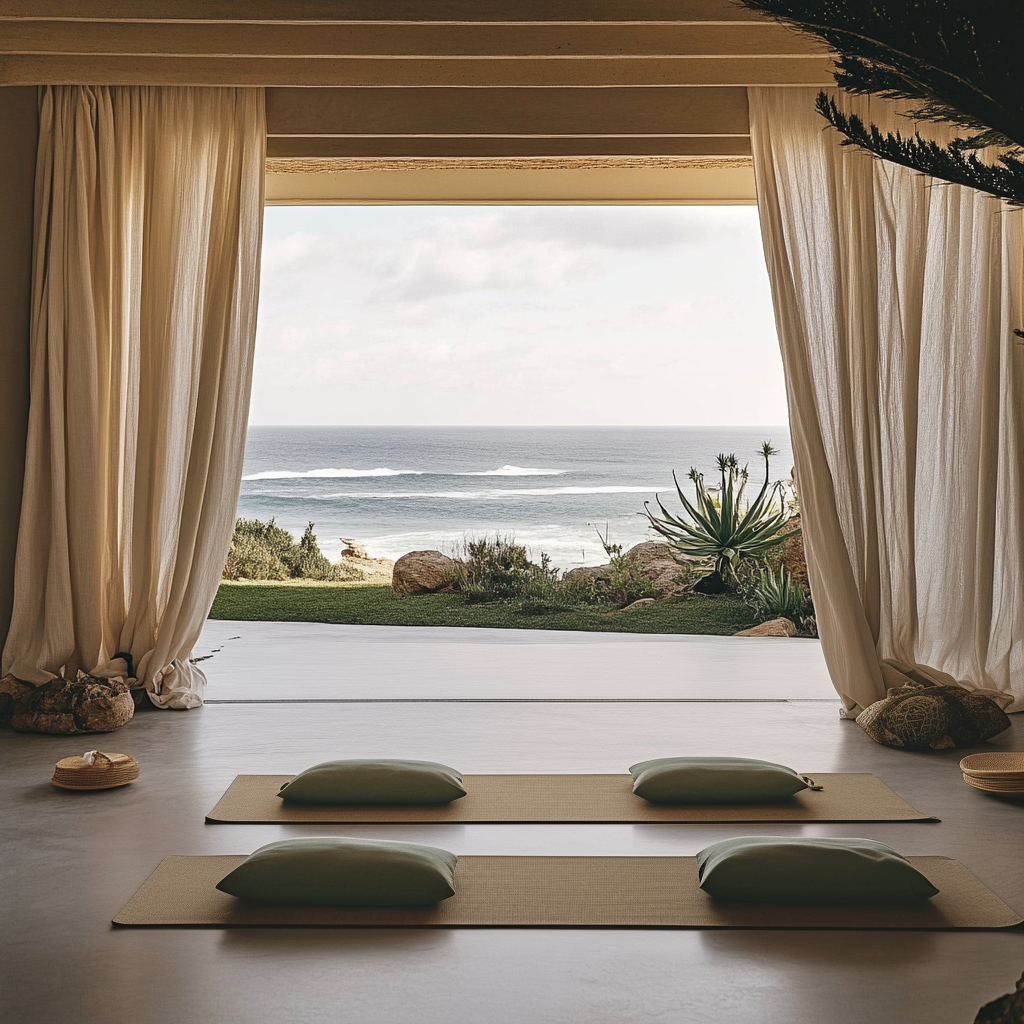
Design that Holds, Grounds, and Awakens the Senses
We’re not designed to live in hard, fast spaces. We crave softness. Stillness.
Light that filters through with purpose. Surfaces that invite touch. Sound that soothes rather than distracts.
“Design is sensory—where texture, scent, flow, and light are as important as form.”
Wellness-centered design is sensory design. It invites the body to relax, the mind to quiet, and the spirit to reconnect. Natural materials like wood, clay, linen, stone—remind us of the outdoors, of origins. They carry a sense of place, of memory, and of calm. This kind of design doesn’t just look beautiful—it feels nourishing.
Beyond What You See: The Invisible Architecture of Wellness
Well-being is shaped not only by what surrounds us, but by what’s often overlooked.
“True wellness is designed into the spaces we don’t consciously notice—but always feel.”
Clean air. Sound insulation. Tactile comfort. Intuitive flow.
These elements are subtle, but together they form the invisible structure of ease.
When done with care, design becomes less visible—and the experience becomes the focus. You move differently. Breathe more deeply. Time slows down.
Connection as a Design Principle
At the heart of wellness-centered design is connection.
Connection to the land beneath the structure.
To the light as it shifts through the day.
To the people who move through the space, and what they need it to hold for them.
“A well-designed space doesn’t just serve a function—it becomes felt, remembered, and lived in.”
Whether it’s a boutique hotel, a healing retreat, a private residence or a spa—every space holds the potential to become a sanctuary. But only when it is designed with presence, care, and an understanding of how people and nature interact.
Closing Thoughts
Wellness design is not about perfection. It’s about presence.
When a space is aligned with its purpose—and with the people who inhabit it—it becomes more than just functional. It becomes transformational.
“Design, when rooted in wellness, has the power to restore, reconnect, and inspire.”
In a world of overstimulation, spaces that honour our need for stillness, softness and connection are not indulgences—they’re essential.